Equipments

Equipment refers to the tangible assets and tools used in various industries to perform specific tasks. This includes machinery, tools, devices, and systems tailored for operations in sectors like construction,manufacturing, healthcare, agriculture, and energy.

Valve
Valve

A valve is a device that regulates, directs, or controls the flow of a fluid (liquid, gas, or slurry) by opening, closing, or partially obstructing various passageways.

View Details
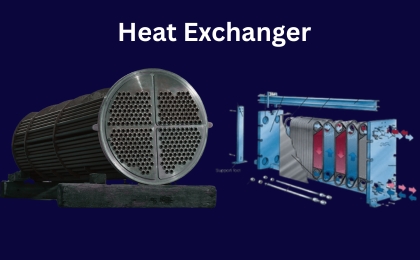
Heat Exchanger
Heat Exchanger

A heat exchanger is a device designed to transfer heat between two or more fluids (liquids, gases, or both) without mixing them.

View Details
Gland Packing
Gland Packing

Gland Packing also known as compression packing or simply packing, is a sealing material used in pumps, valves, and other rotating or reciprocating equipment to prevent the leakage of fluids along the shaft or stem.

View Details
Pressure Vessel
Pressure Vessel

A pressure vessel is a container designed to hold gases or liquids at a pressure substantially different from the ambient pressure.

View Details
Scaffolding
Scaffolding

Scaffolding is a temporary structure used in construction, maintenance, and repair projects to provide workers with safe access to elevated areas. It also serves as a platform for tools, materials, and equipment.

View Details
Welding
Welding

Welding is a fabrication process that joins materials,typically metals or thermoplastics, by applying heat, pressure, or both to fuse them.It is a critical technique in construction, manufacturing, automotive, aerospace, and many other industries.

View Details
Grinding
Grinding

Grinding is a machining process that involves the use of a grinding wheel to remove material from a workpiece, resulting in a smooth surface finish or precise dimensions. It is commonly used in manufacturing and metalworking to shape, sharpen, or polish materials.

View Details
Materials
Materials

All the things that we see around us made up of certain material. The material may be of single element such as gold or it may consist of two or more elements such as bronze (copper + tin).

View Details
Piping
Piping

Pipe is a mechanical component of round shape, and hollow from inside which is used to transfer liquid/vapors, gas from one point to another, like housewater pipes. Normally available from 1/4 inches diameter to 40” inches diameter.

View Details

Machinery

Mechanical machinery refers to devices and systems that utilize mechanical power to perform work, often designed to simplify tasks or processes. These machines range from simple tools like pulleys and levers to complex systems like engines, turbines, and manufacturing equipment.

Compressor
Compressor

A compressor is a mechanical device that increases the pressure of a gas by reducing its volume. It is commonly used to compress air or other gases for various industrial, mechanical, and refrigeration purposes. .

View Details
Centrifugal Compressor

A centrifugal compressor is a type of dynamic compressor that uses a rotating impeller (or wheel) to add velocity (kinetic energy) to a gas, and then converts this velocity into pressure using a diffuser.

View Details
Reciprocating Compressor

A reciprocating compressor is a type of positive displacement compressor that uses a piston moving back and forth (reciprocating motion) inside a cylinder to compress and deliver gas at high pressure.

View Details
Pump
Pump

A pump is a mechanical device used to move fluids (liquids or gases) from one place to another by increasing the pressure or flow rate of the fluid.

View Details
Centrifugal Pump
Centrifugal Pump

A pump that works on the basis of centrifugal force is called centrifugal pump. A centrifugal pump operates by increasing the velocity, or speed of a liquid.

View Details
PD Pump
PD Pump

A reciprocating pump is a positive displacement pump. Reciprocating pumps are of most use at low RPM and high total heads.As the plunger moves forward, cylinder pressure forces the Discharge valve.

View Details
Bearing
Bearing

A bearing is a mechanical component that reduces friction between moving parts while supporting loads and guiding motion..

View Details
Mechanical Seal
Mechanical Seal

A mechanical seal is a device used to prevent leakage of fluids (liquids or gases) from rotating equipment, such as pumps, compressors, or mixers...

View Details
Alignment
Alignment

Alignment in mechanical systems refers to ensuring that components, such as shafts, couplings, and machinery, are correctly positioned relative to one another..

View Details
Turbine
Turbine

A turbine is a mechanical device that converts fluid energy (from water, steam, gas, or air) into rotational mechanical energy.This rotational energy is often used to generate electricity or drive mechanical systems.

View Details
Engine
Engine

Engine is a machine designed to convert energy into mechanical work. Engines typically operate by harnessing thermal, chemical, or electrical energy and converting it into motion or usable mechanical energy.

View Details
boiler
boiler

boiler is a closed vessel or system used to generate steam or hot water by heating a fluid (usually water) for industrial applications.

View Details
Thermodynamics
Thermodynamics

Thermodynamics is the branch of physics that deals with the study of energy, heat, work, and how they affect matter. It focuses on the laws that describe the conversion of energy from one form to another, especially how heat energy is transformed into mechanical work and vice versa.

View Details
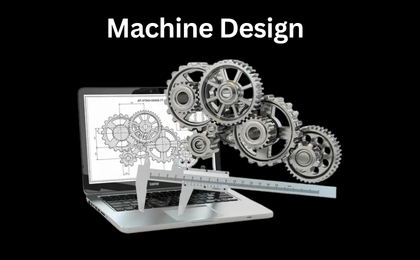
Machine design
Machine design

Machine design is the process of creating and developing new machines or improving existing ones to meet specific functional, structural, and economic requirements.

View Details
Fits and Tolerances
Fits and Tolerances

A tolerance is the allowable deviation from a specified dimension.A fit refers to the relationship between two mating parts, such as a hole and a shaft. It specifies how tight or loose the parts will be when assembled.

View Details

Industry/Plant Safety

Plant safety means taking steps to keep workers, equipment, and the environment safe in industrial or manufacturing plants. It helps prevent accidents, reduce risks, and follow safety rules and regulations.

Safety
Safety

Safety is the state of being protected from harm or other danger. Safety can also refer to the control of recognized hazards in order to achieve an acceptable level of risk. Safety means protecting people, equipment, and the environment from harm or danger. It involves taking steps to prevent accidents, injuries, and risks in various settings.

Work Permit
Work Permit

A Work permit is a document that authorizes a specific person to perform a job in a specific location within a specified time frame. The form includes details about the job, safety procedures, and roles and responsibilities.

Plant Safety Video Tutorial

Protecting People, Equipment, and Environment

Plant safety involves systematic measures to protect workers, safeguard equipment, and preserve the environment in industrial settings. It encompasses accident prevention, risk mitigation, and compliance with safety regulations to ensure operational excellence.

Safety Procedures

This comprehensive guide covers essential plant safety practices, hazard identification techniques, and risk minimization strategies to foster a culture of safety in industrial environments.

Duration: 2:48 min

Safety Procedures

Learn about the critical work permit system, its authorization processes, and how it ensures controlled work conditions for high-risk activities in industrial facilities.

Duration: 2:56 min

Mechanical Blog

Pump
Pump

"A pump is a mechanical device that transfers fluids (liquids or gases) by mechanical action, typica...

Read More
Compressor
Compressor

"A compressor is a mechanical device that increases the pressure of a gas by reducing its volume."...

Read More
Heat Exchanger
Heat Exchanger

"A heat exchanger is a device that transfers heat from one fluid (liquid or gas) to another without...

Read More

Our Achievements For Mechanical Expert

95%

Project Success Rate

500+

Engineering Projects

100%

Quality Assurance

25+

Years of Experience

98%

Client Satisfaction

1k+

Technical Solutions

ISO

Certified Processes

50+

Industry Partners

95%

Project Success Rate

500+

Engineering Projects

100%

Quality Assurance

25+

Years of Experience

Customer Reviews